
1. Baseline Degradation Temperature for PVC Hose
PVC hose starts to degrade at 60℃. Below this temperature, the material remains stable for regular use. At 60–80℃, subtle changes occur—flexibility decreases, and the hose may feel stiff. Beyond 80℃, degradation accelerates rapidly, risking permanent damage.
2. Key Factors That Speed Up PVC Hose Degradation
First, prolonged exposure matters. Even mild heat over weeks weakens PVC hose faster than short bursts of higher temps. Second, UV radiation amplifies heat damage. Sunlight combined with 45℃+ temperatures breaks down PVC’s molecular structure. Third, chemical contact worsens degradation—oils, solvents, or acids lower the hose’s heat tolerance.
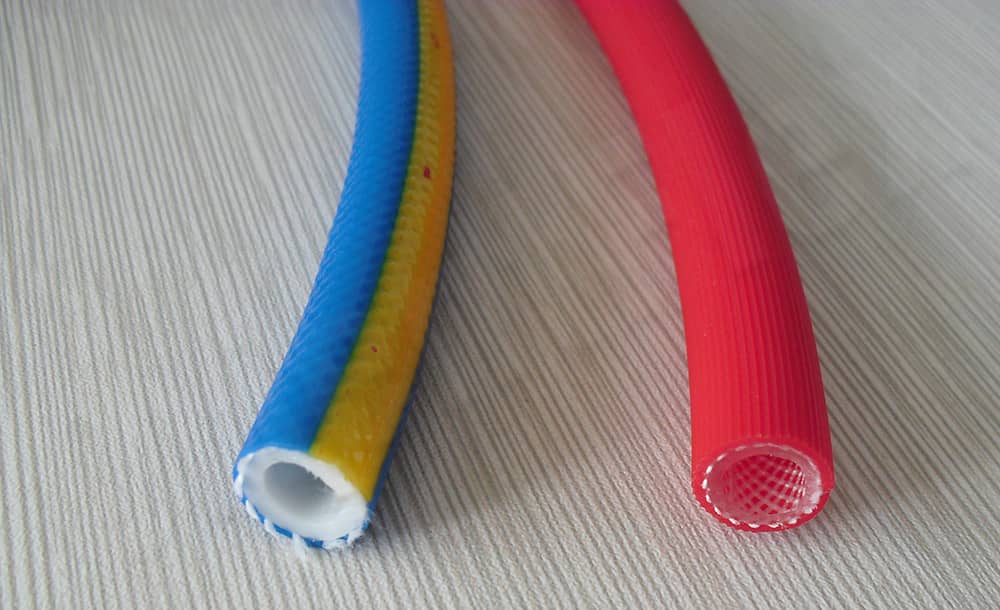
3. Visible Signs of PVC Hose Degradation from Heat
Watch for brittle texture—degraded PVC hose cracks easily when bent. Check for discoloration; yellowing or fading signals heat damage. Look for surface cracks or leaks, as heat weakens the hose’s inner layers. If the PVC hose becomes sticky or soft, it’s already degrading and unsafe for use.
4. How to Protect PVC Hose from Heat Degradation
Choose a “heat-resistant PVC hose” rated for your application. Avoid storing PVC hose in direct sunlight—use shaded areas or storage bins. Limit use in temperatures above 50℃; opt for rubber hoses for hot fluid transfer. Additionally, insulate PVC hose if used near heat sources.
5. Critical Temperature for PVC Hose Failure
PVC hose fails catastrophically at 90℃. At this point, the material melts or bursts under pressure. Never use standard PVC hose with fluids or in environments exceeding 80℃.