
1. The Short Answer: Avoid Leaving Rubber Hoses Outside in Winter
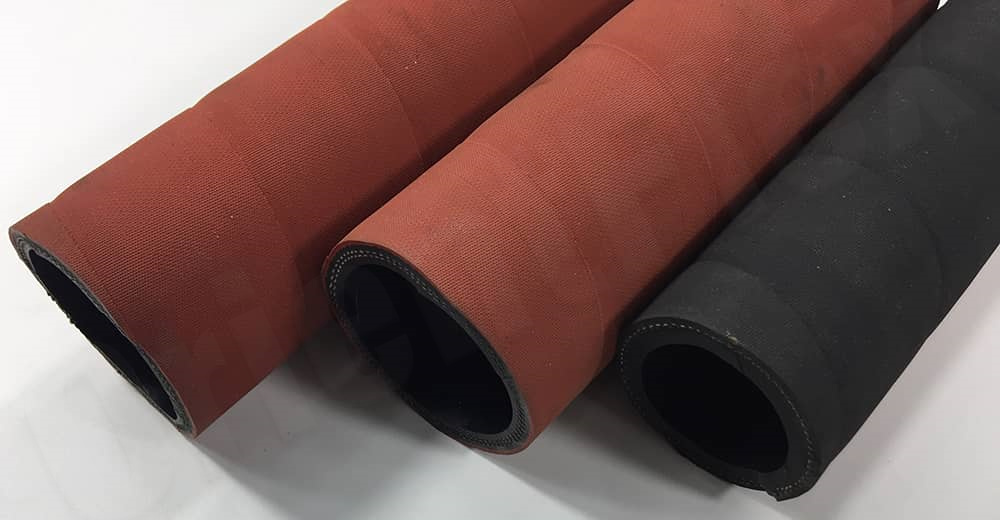
You should not leave a rubber hose outside in winter. Because cold temperatures and freezing water damage it. Rubber becomes stiff in the cold, losing its flexibility. If the rubber hose has trapped water, that water expands as it freezes, creating pressure inside the hose. This pressure causes the rubber to crack or split, leading to leaks when you use the hose again. Even high-quality rubber hoses aren’t immune; repeated freezing and thawing weakens the material over time, shortening its lifespan.
2. Why Cold Weather Harms Rubber Hoses Specifically
Rubber hoses react poorly to winter conditions for two key reasons. First, rubber’s natural elasticity drops in low temperatures. A flexible rubber hose becomes brittle, so even small impacts can cause it to break. Second, rubber is porous enough to hold small amounts of water. Even if you think you’ve drained it. This residual water freezes, expanding and pushing against the rubber’s inner walls. Over time, this creates micro-cracks that grow into larger leaks. Standard rubber hoses are especially vulnerable.
3. If You Must Leave a Rubber Hose Outside: Take These Steps
If you can’t bring the rubber hose indoors, take steps to minimize damage. First, fully drain the rubber hose: disconnect it from the faucet, hold one end high, and let water flow out. Then, gently squeeze the hose along its length to push out trapped moisture. Next, wrap the rubber hose in a thick, waterproof cover to insulate it from freezing temperatures. Secure the cover with tape to keep it in place. Finally, store the wrapped rubber hose off the ground to avoid contact with snow or ice.
4. The Best Winter Storage for Rubber Hoses
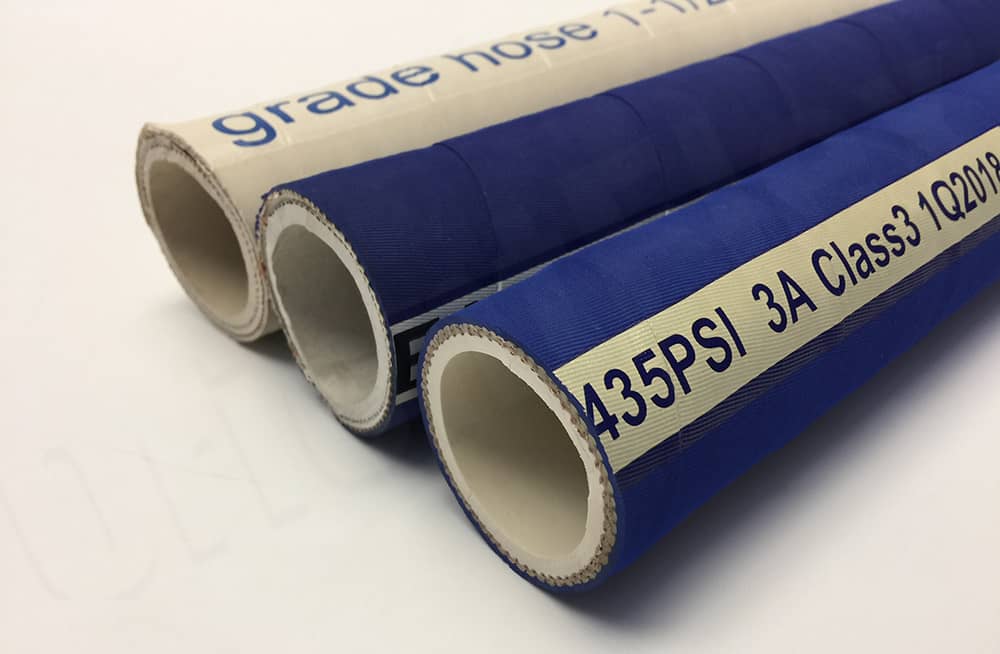
The safest way to protect a rubber hose in winter is to store it indoors. After draining and cleaning the rubber hose, wipe it dry with a towel. Coil it loosely to prevent creases. Store the coiled rubber hose in a cool, dry area like a garage, basement, or shed where is away from heaters. For extra protection, apply a small amount of rubber conditioner before storage; this keeps the material supple. Proper indoor storage ensures your rubber hose stays intact and ready for use when spring arrives.