
When you’re choosing a garment steamer steam hose, focus on these four key factors to ensure performance and safety:
1. Steam Hose Material
The material of your garment steamer hose directly impacts its durability, high-temperature resistance, and flexibility. Two common options dominate the market:
Fiber-braided steam hoses
These hoses offer strong anti-scald protection, excellent high-temperature resistance, and deliver uniform steam. For this reason, they work best with low-steam-pressure garment steamers.
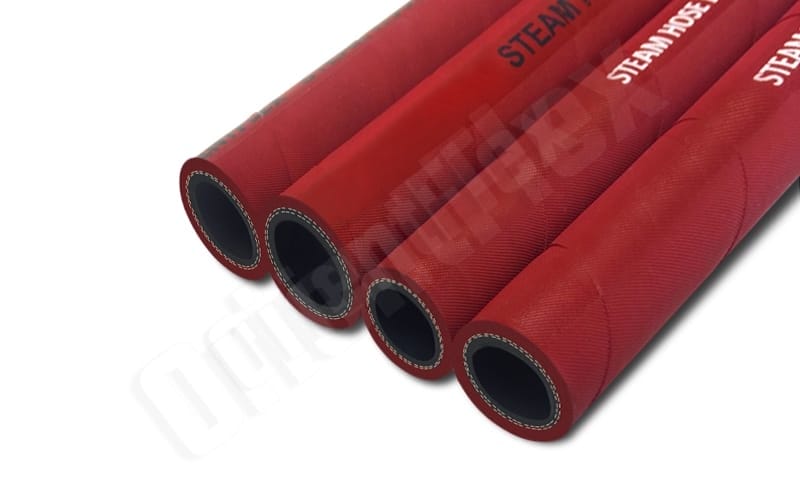
Corrugated steam hoses
These hoses excel at high-temperature resistance and acid-alkali resistance. As a result, they are more suitable for high-steam-pressure garment steamers.
2. Steam Hose Length
Hose length is another critical factor for your garment steamer. In general, avoid hoses longer than 2 meters. Why? A too-long steam hose increases steam transmission resistance. This resistance reduces steam output from the steamer nozzle, which harms ironing results. Additionally, a long hose extends steam flow time. This extra time lowers the temperature of the steamer nozzle, further weakening ironing performance. If you need a longer hose, solve this by choosing a high-power garment steamer or installing a steam hose adapter.

3. Steam Hose Softness and Durability
Your garment steamer hose needs enough softness to bend easily. This flexibility helps it adapt to different ironing positions and needs. At the same time, durability matters for long-term use. A quality steam hose should withstand daily friction and stretching without damage. Look for hoses with reinforced layers—these features extend the hose’s lifespan and prevent leaks.
4. Steam Hose Safety
Safety should never be overlooked when selecting a garment steamer hose. Always choose a hose with a built-in anti-scald design. This design creates a barrier between the hot internal steam and your hands, preventing burns during use. Some anti-scald hoses also have heat-resistant outer layers, which add an extra level of protection.