
First, pump some mortar to lubricate the concrete hose before pumping concrete. Keep going until mortar comes out the pipeline’s end. Do this step thoroughly. You can also use concrete pipe moisturizer instead of mortar. It’s more convenient, faster, and cheaper.
Second, check if the concrete is up to standard. Also, look for large particles or segregation. If you spot any issues, fix them right away.
Third, when connecting the delivery pump pipe, put a sealing rubber ring at the interface. Then use tools to tighten the pipe clamp. This stops blockages from air or slurry leaks.
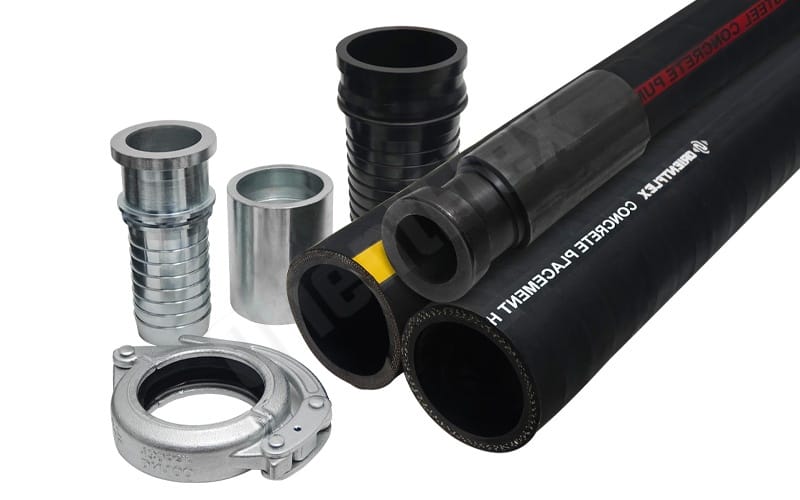
Fourth, clean the concrete pump pipe right after use. Use a cleaning ball to clear leftover concrete. This prevents concrete from hardening inside and blocking the pipe.
Fifth, operators must watch the pressure dial constantly. If pressure spikes suddenly, stop the pump at once and run a reverse pump. Repeat this three times to clear small blockages.
Last, use more straight pipes when operating towed pumps or vehicle-mounted pumps. Elbow hoses increase resistance inside the concrete pipe. This makes blockages more likely.